


Key Takeaways:
- Proactive road repair prevents small surface cracks from turning into deep structural failures.
- Routine maintenance is significantly more cost-effective than a total road reconstruction every few years.
- High-quality road traffic signage and markings are essential components of a safe and functional road system.
- Regular inspections allow for targeted interventions that minimise traffic disruption for the public.
Introduction
Maintaining a city’s road network is a bit like looking after your own health. If you ignore a small problem, it rarely stays small for long. In the world of civil engineering, this is known as the pavement lifecycle. A road that is well-maintained can last for decades, but a road that is neglected will deteriorate at an accelerating rate. Many people wonder why they see crews working on roads that seem fine. The answer is simple: it is much cheaper and easier to fix a minor issue today than to rebuild an entire street tomorrow. Effective road repair in Singapore is about staying ahead of the curve and protecting our shared infrastructure.
The Economics of Preventive Maintenance
There is a well-known rule in the industry: every pound spent on preventative maintenance can save five to ten pounds in future reconstruction costs. When a road is relatively new, a simple seal coat or a thin overlay can refresh the surface and keep water out. However, if the road is allowed to reach the end of its life without intervention, the cost of fixing it skyrockets. This is because the damage is no longer just on the surface; it has moved down into the structural base layers. Once the base is compromised, the only solution is to dig everything up and start again.
You know what? This isn’t just about the direct cost of the asphalt and the labour. It’s also about the indirect costs to society. Major reconstruction projects take a long time and cause significant traffic jams, which hurt the economy and frustrate commuters. Small, targeted repairs can often be done overnight or during off-peak hours, with minimal impact on the flow of the city. By being forward-thinking, we are not just saving money; we are saving time and reducing stress for thousands of people. It’s a smarter way to manage a city’s most valuable assets.
Protecting the Foundation from Water Damage
The biggest enemy of any road is water. Asphalt is designed to be a waterproof skin that protects the soil and stone foundation underneath. When that skin develops cracks-even tiny ones-water can seep through. Once water reaches the base, it softens the support structure. As heavy vehicles drive over these soft spots, the road flexes more than it should, causing even more cracking. This is a vicious cycle that leads directly to potholes and complete pavement failure. Early road repair focuses on sealing these cracks as soon as they appear.
By keeping the foundation dry, we ensure the road remains stable. This is particularly important in our tropical climate, where heavy rain is a daily occurrence. A well-sealed road can shed water efficiently into the drainage system. If we wait until the road is covered in potholes, the damage to the foundation is already done. At that point, simply filling the hole is just a temporary bandage. A true fix would require excavating the base, which is a massive and expensive undertaking. Preparation is always better than the cure when it comes to infrastructure.
The Role of Road Traffic Signage and Markings
Road maintenance isn’t just about the asphalt itself; it’s also about the visual cues that keep us safe. Clear, high-visibility road traffic signage and well-painted lane markings are essential for a functional road system. Over time, these can fade due to UV exposure and the wear from tyres. When a road surface is being repaired or rejuvenated, it is the perfect time to update the signage and markings as well. A road that is structurally sound but poorly marked is still a dangerous road for the public.
Keeping the signage in top condition helps with the flow of traffic and reduces the risk of accidents. When drivers can clearly see where they are supposed to go, they make fewer sudden movements and lane changes. This consistent flow actually reduces the physical stress on the road surface over time. It’s all connected: a safe, well-marked road is a more durable road. During regular maintenance cycles, engineers check that every sign is secure and every line is bright. It is part of the holistic approach to road management that defines a world-class city.
Minimising Disruption Through Strategic Repairs
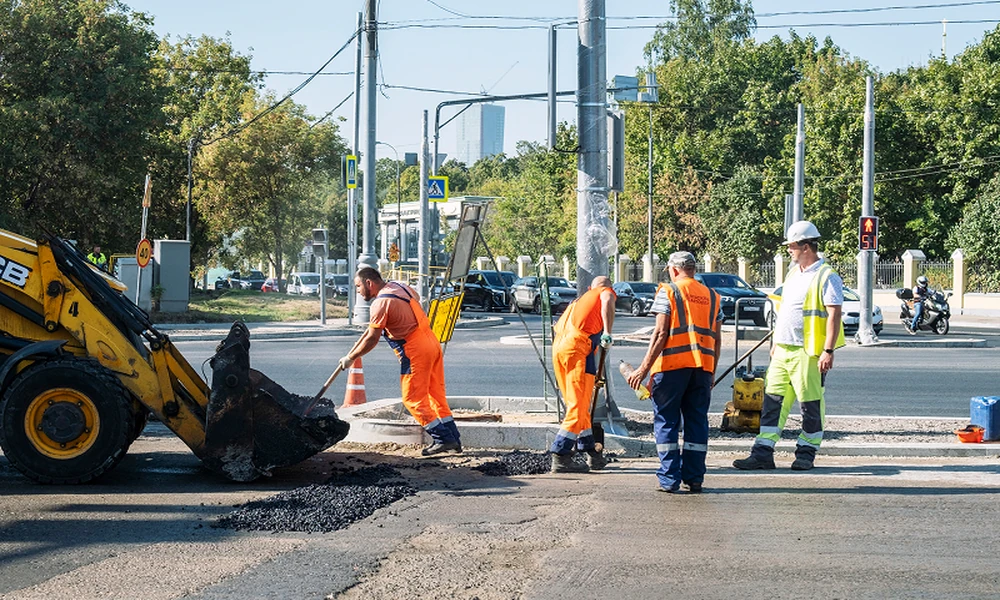
One of the most common complaints about roadwork is the disruption it causes to our daily lives. However, early and targeted repairs are actually the best way to minimise this frustration. Because these repairs are smaller in scale, they require less heavy machinery and fewer workers. They can be completed quickly, often within a few hours. This allows the road to be reopened much faster than with a full-scale reconstruction. By doing small bits of work more frequently, we avoid the need for massive, weeks-long closures that paralyse entire neighbourhoods and businesses.
Modern technology also allows us to be much more precise with our repairs. Thermal imaging and ground-penetrating radar can find problems before they are even visible on the surface. This means we only dig where we absolutely have to. This surgical approach to road repair is highly efficient. It keeps our infrastructure in top shape while allowing the city to keep moving at its usual fast pace. In the long run, the constant small repairs are much less of a headache than the occasional massive rebuild that interrupts the entire transport network.
Conclusion
Investing in early road maintenance is one of the most responsible decisions a city can make. It protects the structural integrity of our transport network, ensures the safety of all road users, and saves significant amounts of taxpayer money. By staying prepared and using the right tools-from high-quality asphalt to clear road traffic signage-we can keep our roads smooth and reliable for generations to come. At United E&P, we are committed to providing the expert repair and maintenance services that keep Singapore’s infrastructure strong. Get in touch with us to learn more about our road management solutions.