



That specific dread – waking up in a hotel room with unexplained bites, or spotting something on the mattress that looked wrong, or just reading a review after the fact that mentioned bed bugs – is one of the most anxiety-producing travel experiences there is. You’re back home now, your luggage is sitting somewhere in your house, and you’re not sure whether you’re about to have a serious problem or whether you’re just worried for nothing. Hot Bugz takes these calls regularly from Denver residents who stayed in a hotel downtown, traveled to a ski resort, came back from a trip through DIA, or visited a friend who later discovered they had bed bugs. The good news is that catching the situation early – within the first 24 to 48 hours of getting home – gives you the best chance of intercepting any potential introduction before it becomes an infestation. Here’s what to do right now.
Step One: Don’t Bring Your Luggage Into the Bedroom
If you just got home and your bags are still in the car or near the door, that’s the best possible position to be in. Leave them there until you’ve had a chance to process the situation.
The bedroom is where a bed bug introduction becomes a bedroom infestation. Bed bugs are drawn to sleeping areas – to the carbon dioxide you exhale at night, to the warmth of your body, to the shelter provided by mattress seams and bed frames. Luggage placed directly on the bed or the bedroom floor gives any hitchhiking bugs immediate access to the harborage sites where they’ll establish themselves.
If you’ve already brought the bags into the bedroom, that’s not a crisis – it’s just a more urgent inspection situation. But if you’re reading this before you’ve unpacked, stage the bags in a garage, a bathroom (tile floors are harder for bed bugs to navigate than carpet), or another hard-surface area while you work through the next steps.
How to Inspect Your Luggage
This inspection requires decent lighting and close attention. Start with the exterior of each bag.
Focus on seams, pockets, and any fabric folds. Run your fingers along every seam on the outside of the bag. Look specifically for:
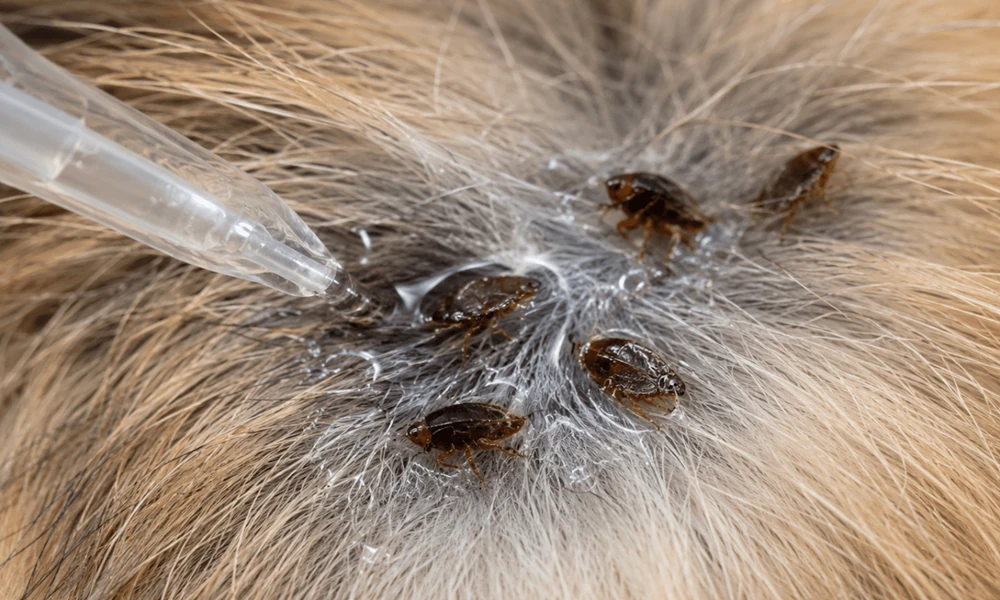
Small brownish specks – about the size of an apple seed for adults, smaller and translucent for nymphs. Shed shell casings – translucent, slightly collapsed, bed-bug-shaped but hollow. Tiny dark fecal spots – reddish-brown to near-black, similar in appearance to a felt-tip pen mark on fabric. Actual moving bugs – though these are often hidden during daylight.
Open every pocket, including small interior zipper pockets that don’t get used much. Eggs, which are 1mm white specks, are nearly impossible to find without magnification, but adults and nymphs in the larger pockets are visible.
Turn the bag inside out if possible. Inspect the handles and any structural frames where fabric bunches or folds.
Do this inspection over a hard floor or over a white trash bag so anything you dislodge is visible and contained.
Processing Clothing and Soft Items
Any clothing that was in the bag should go directly into the dryer – not the washer, the dryer – on the highest heat setting for a full cycle before being put away or worn again. The dryer’s heat is what kills bed bugs and eggs. Washing alone, particularly in a cold cycle, doesn’t reliably kill bed bugs. Start the dryer first.
If you have clothes that can’t go in the dryer – delicate items, dry-clean only pieces – bag them in sealed plastic bags separately and don’t put them away until you’ve had a chance to assess the full situation. A laundry service that uses high-temperature processing is an option for items that can’t go in a home dryer.
Shoes can harbor bed bugs in the toe box, insole seam, and sole cavity. Leave travel shoes in a sealed bag or in a non-bedroom location until you’ve had time to inspect them.
Hard-sided luggage is easier to address than soft – wipe down all interior surfaces and exterior hard surfaces with a damp cloth, paying attention to any seams where the hard shell meets fabric lining. Hard surfaces don’t harbor bed bugs as effectively as fabric, but the lining inside a hard-sided case is fabric and needs the same inspection as a soft bag.
Looking for Signs in Your Hotel Review History
Before you inspect the bags, it’s worth quickly looking up the hotel you stayed in and checking recent reviews for bed bug mentions. The Bed Bug Registry and Tripadvisor reviews often contain recent reports. If multiple guests have mentioned bed bugs in the last few months, your concern is more justified and your inspection should be more thorough.
If you recall anything from your stay – bites that appeared during the nights, small moving specks on the bedding, spots on the white sheets near the mattress seams – note these specifically. When you contact Hot Bugz for an inspection, these details help us understand your exposure risk and prioritize the inspection areas in your home.
When to Call for a Professional Inspection
A professional inspection is worth scheduling if any of the following apply:
You have unexplained bites from the trip. You found or think you found something suspicious during the luggage inspection. The hotel you stayed in has documented bed bug complaints in recent reviews. Someone else who stayed in the same room or traveled with you has confirmed they found bed bugs.
A Hot Bugz inspection doesn’t require that you have confirmed live bugs – it’s a professional visual examination of the areas most likely to harbor bed bugs if they were introduced. The inspection covers your luggage staging area, the bedroom (if bags came in), any furniture you may have sat on with travel clothing, and the sleeping areas most relevant to your exposure timeline.
The inspection is typically same-day, and the result is a clear answer: there’s evidence of bed bugs, or there isn’t. Either outcome is better than weeks of anxiety wondering.
What Not to Do While You’re Waiting
A few things that make the situation worse if you’re worried about a potential introduction:
Don’t spray anything in your bedroom or on your luggage. Consumer pesticide sprays drive bugs into hiding and scatter them through the space, making a professional inspection and any subsequent treatment harder. If there are bugs present, you want them in predictable locations when the inspector arrives.
Don’t move the luggage to a new location repeatedly. Pick a staging spot and leave the bags there until after the inspection.
Don’t assume because you haven’t seen anything that you’re clear. Early introductions – a handful of eggs or a few nymphs – are not visible to the eye without deliberate inspection. The absence of visible bugs isn’t confirmation that nothing came home with you.
Catching It Early Is What Changes the Outcome
If you bring home one or two bugs or a handful of eggs from a hotel, and you catch it in the first week, the intervention is small and the cost is manageable. If the same introduction goes unaddressed for two months, what was a contained early-stage problem becomes an established infestation that takes longer to treat.
Hot Bugz serves Denver and the surrounding Front Range. If you’ve just returned from a hotel stay that concerned you, contact us for a same-day inspection. Knowing the answer early is the best thing you can do right now.