



Key Takeaways
- Heat and dry conditions can drive pests toward indoor water, shade, food, and shelter.
- Repairing leaks, sealing gaps, and reducing clutter can prevent many pest issues before treatment is needed.
- Landscaping, irrigation, trash, and stored materials can create hidden pest-friendly conditions around a home.
- Repeated signs such as droppings, ant trails, mud tubes, or scratching sounds deserve prompt attention.
- Integrated pest management emphasizes prevention, monitoring, and targeted treatment rather than routine spraying.
Why Hot, Dry Weather Changes Pest Activity
Hot, dry weather can make a home more appealing to pests that need reliable water, cooler temperatures, and protected places to hide. Ants may follow moisture from irrigation lines or kitchen plumbing, while roaches and rodents may move into garages, wall voids, attics, and covered patios. Homeowners who want a practical local perspective can learn more about building a prevention-first approach. Heat is not the only reason pests show up. Food crumbs, pet bowls, overflowing trash, dense landscaping, nearby construction, and open desert areas can all affect activity. A tiny drip at an irrigation valve, for example, can become a dependable stop for ants or roaches even when the rest of the yard looks completely dry.
Start With a Simple Home Inspection
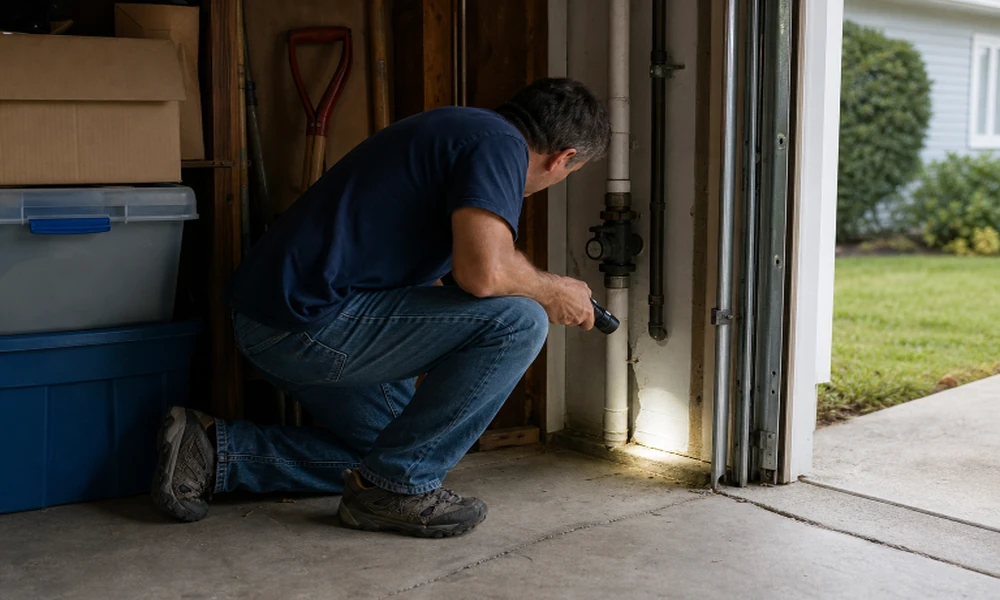
A quick inspection can reveal the conditions that support pests before a minor issue grows. Set aside about 20 minutes each month, bring a flashlight, and focus on moisture, entry points, food sources, and hiding places.
What to check
- Walk the exterior and inspect doors, windows, vents, utility lines, and foundation edges.
- Look beneath sinks, around water heaters, and near appliances for dampness or leaks.
- Check garages for droppings, shed skins, webs, gnawed boxes, and nesting material.
- Inspect patios, storage sheds, grills, outdoor kitchens, and stacked supplies.
- Empty water that collects in pots, toys, drains, tarps, and decorative features.
Control Water Without Wasting It
Water management is one of the most effective dry-climate pest prevention habits. Repair dripping faucets, redirect sprinkler heads away from walls, clean air-conditioning condensate lines, and make sure rainwater drains away from the foundation. Check drip irrigation regularly, as slow leaks can go unnoticed beneath gravel, mulch, or ground cover. Even in a dry yard, damp micro-spaces can persist. Shaded corners, clogged drains, thick mulch, plant saucers, and poorly ventilated storage spaces can hold enough moisture to attract pests. The goal is not to eliminate landscaping or irrigation, but to keep water where it belongs and avoid creating a constant supply beside the home.
Seal the Openings Pests Use
Exclusion keeps pests outside, where they are less likely to become a household problem. Inspect openings carefully before relying on traps or sprays, especially around areas that connect directly to kitchens, garages, and utility rooms.
- Replace worn door sweeps and weatherstripping.
- Repair torn window and patio screens.
- Seal small cracks around pipes, cables, cabinets, and baseboards.
- Close gaps around garage doors and utility penetrations.
- Use suitable screening on vents where it will not interfere with airflow.
Choose repair materials based on the opening. Caulk works for narrow cracks, weatherstripping works around movable doors, and metal mesh or hardware cloth is often more durable where rodents could chew. Expanding foam may help fill some voids, but it is not a universal barrier.
Keep the Yard From Becoming a Pest Highway
Outdoor maintenance can reduce the number of routes and shelter areas available to pests. Trim branches so they do not touch roofs, walls, or vents. Keep shrubs from pressing tightly against the structure, and remove clutter that gives pests a quiet place to hide.
- Store firewood, lumber, and unused materials off the ground and away from the home.
- Remove fallen fruit, leaf piles, dense debris, and unused containers.
- Keep trash cans closed, clean, and positioned away from doors when possible.
- Store pet food in sealed containers and avoid leaving it outside overnight.
- Consider yellow outdoor bulbs where practical, since they may attract fewer flying insects than standard lights.
Common Pests and Their Clues
One insect sighting does not always mean an infestation, but repeated clues are worth investigating. Look for patterns and identify where activity occurs most often.
- Ants: Trails, small soil piles, and activity near irrigation or food storage. Remove food residue, correct moisture issues, and seal access points.
- Roaches: Droppings, shed skins, an oily odor, and nighttime sightings. Reduce clutter, food, water, and hiding spots.
- Rodents: Droppings, gnaw marks, scratching sounds, and shredded nesting material. Secure food and waste, then seal gaps.
- Mosquitoes: Biting activity near standing water. Empty, cover, or maintain water-holding containers.
- Termites: Mud tubes, discarded wings, bubbling paint, or wood that sounds hollow. Arrange an inspection rather than assuming a surface treatment will solve the issue.
Reduce Mosquitoes Around Outdoor Spaces
Mosquito control begins by eliminating breeding sites where larvae can develop. Empty small containers after watering or rain, keep gutters and drains clear, change pet water frequently, and cover rain barrels or other stored water. Repairing screens and placing seating away from dense vegetation can also make patios more comfortable.
Watch for Termite Warning Signs
Termites often stay hidden, so regular checks matter. Inspect exposed wood, baseboards, sheds, areas near plumbing, and the foundation perimeter for mud tubes or discarded wings. Arizona homeowners can review guidance on termite barriers and property maintenance before landscaping or construction work disturbs soil near a foundation.
Use Safer Treatment Methods
When prevention alone does not resolve a problem, use integrated pest management. This approach combines sanitation, exclusion, monitoring, physical controls, and limited, targeted pesticide use. The EPA explains that removing food, water, shelter, and entry points can reduce reliance on chemical treatment. Always read and follow the label, keep products away from children and pets, never mix chemicals, and never use an outdoor pesticide indoors. Place traps or bait stations only where they can be used safely and checked regularly.
Create a Seasonal Prevention Schedule
- Monthly: Check leaks, food storage, screens, doors, and standing water.
- Every three months: Trim vegetation, inspect the garage, clean drains, and inspect exterior gaps.
- Before hot weather: Test irrigation, check shaded areas, and refresh door seals.
- After heavy rain: Look for puddles, damaged screens, mud tubes, and displaced debris.
- Before cooler weather: Inspect storage areas and close potential shelter gaps.
Know When to Call for Help
Simple prevention may be enough for occasional ant or mosquito issues, or outdoor webs. Professional help may be more appropriate when pests repeatedly return, rodents are inside walls, damage is visible, stinging insects nest near living areas, or termites are suspected. Ask what pest was identified, where it was found, what treatment is planned, and what follow-up steps will help prevent a repeat problem. Effective pest prevention is usually a series of small, consistent choices. By managing water, sealing gaps, maintaining the yard, storing food carefully, and acting on early warning signs, homeowners can give pests fewer reasons to stay.
Conclusion
Hot, dry weather can make homes more attractive to pests seeking water, shade, food, and shelter. Regular inspections, moisture control, sealed entry points, clean storage, and maintained landscaping can reduce many common pest problems before they become serious. When signs such as droppings, ant trails, mud tubes, or scratching sounds appear, early action is important. A prevention-focused approach that combines monitoring, exclusion, sanitation, and targeted treatment can help homeowners maintain a more comfortable, pest-resistant home year-round.