



Choosing the right heating equipment can make a noticeable difference to everyday comfort, household energy use and the way a home functions throughout the colder months. The best option depends on several factors, including the size of the property, insulation quality, the number of rooms and the heating system already in place.
Before making a decision, homeowners should consider how they use each space and what they expect from their heating. A system that suits a compact, well-insulated property may not provide the same comfort in a larger house with several floors or rooms that are difficult to heat evenly. Careful planning helps ensure the equipment meets practical needs without unnecessary energy consumption.
Assess Your Home’s Heating Requirements
The first step is to understand how much heat your property needs. Room dimensions, ceiling heights, window sizes, insulation and draughts all influence heat loss. A larger home may require greater heating capacity, but floor area alone does not determine the most suitable equipment. A well-insulated house can retain warmth more effectively than a draughty property of the same size.
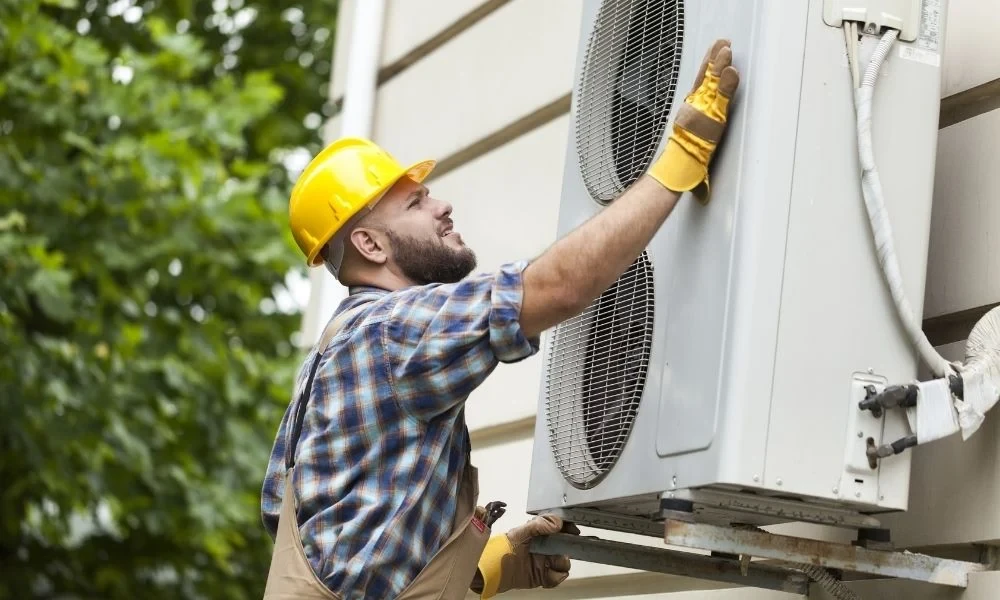
Think about how each room is used throughout the day. Living rooms and frequently occupied spaces may need consistent warmth, while spare bedrooms or storage areas might require less heating. Professional heating system installation in Wylie, TX can help homeowners choose a suitable system that distributes heat effectively and offers practical temperature control for different areas, reducing unnecessary energy use in rooms that are rarely occupied.
Compare Different Types of Heating Equipment
Boilers and Radiator Systems
Boilers connected to radiators remain a familiar option in many British homes. They can provide central heating throughout a property and may also supply hot water, depending on the system design. Existing pipework and radiators can influence whether a replacement boiler is practical, although their condition and compatibility should be assessed before installation.
Homeowners should consider the boiler’s efficiency, capacity, controls and suitability for their hot-water requirements. Replacing an older unit without reviewing the wider system may overlook problems such as poorly balanced radiators or inadequate insulation. A professional assessment can help determine whether a straightforward replacement or a broader upgrade makes more sense.
Heat Pumps and Electric Heating
Heat pumps transfer heat from the outside air or ground into a property. Their suitability depends on factors such as available outdoor space, insulation, the design of the heating distribution system and the home’s heat demand. They may work particularly well in properties where lower-temperature heating can maintain comfortable indoor conditions.
Electric heaters can offer straightforward heating for individual rooms or occasional use, but running costs depend on electricity tariffs and how much heat is required. They may suit smaller spaces or properties without suitable central heating infrastructure. Comparing the whole-life implications of each option is more useful than choosing equipment based on purchase price alone.
Consider Energy Use and Running Costs
The efficiency of heating equipment is only one part of the picture. Insulation, draught-proofing, thermostat settings and heating schedules also affect energy consumption. Improving these areas can help reduce heat loss and make it easier to maintain a comfortable temperature without relying on excessive heating.
When considering heating system installation in Wylie, TX, homeowners should look beyond the equipment itself and assess the property’s layout, heating demand and intended use. Although Wylie is in Texas rather than the UK, the underlying planning principles remain relevant: equipment should be appropriately sized, compatible with the building and selected with local climate conditions and energy requirements in mind.
Match Equipment to Available Space
The physical layout of a home can influence which heating system is practical. Boilers need suitable installation space, while heat pumps require an appropriate location for outdoor equipment and consideration of noise, airflow and access for maintenance. Radiators, pipework and controls must also fit comfortably within the existing layout without obstructing everyday activities.
Properties undergoing renovation may offer opportunities to improve heating distribution or introduce zoning. However, major changes can involve additional building work, alterations to pipework or electrical upgrades. Before committing, establish what the installation will involve, where equipment will be positioned and whether the proposed arrangement leaves enough access for future servicing.
Plan for Installation and Long-Term Comfort
Installation requirements vary according to the equipment and the condition of the existing system. Replacing similar equipment may be relatively straightforward, while switching heating technologies can involve changes to radiators, pipework, electrical supplies or hot-water arrangements. Homeowners should ask for a clear explanation of the work, expected disruption and any preparation needed before the installation begins.
Long-term suitability matters just as much as immediate comfort. Consider the availability of qualified installers, routine maintenance requirements, replacement parts and the likely needs of the household over time. Check relevant building regulations and local requirements before work begins, particularly when changing fuel types or making substantial alterations. A properly planned installation should be practical to operate and maintain as the property and household needs change.
Make a Practical Heating Decision
The most suitable heating equipment balances energy performance, installation requirements, available space and everyday comfort. Boilers may suit homes with compatible radiator systems, heat pumps can be appropriate where the building and outdoor space support them, and electric heaters may be useful for selected rooms. No single option is ideal for every property.
Start by reviewing insulation, heat loss, room usage and hot-water demand before comparing equipment. Seek a professional assessment where necessary, and compare proposals based on suitability, expected running costs and maintenance needs rather than purchase price alone. This approach helps homeowners choose a system that fits their property and supports reliable, comfortable heating over the long term.


