


Backflow can allow contaminated water to move into a clean water supply, creating risks that are easy to overlook until adding how prevention devices work, why testing matters, and when repairs are needed helps homeowners protect their plumbing, water quality, and household safety with greater confidence and care.
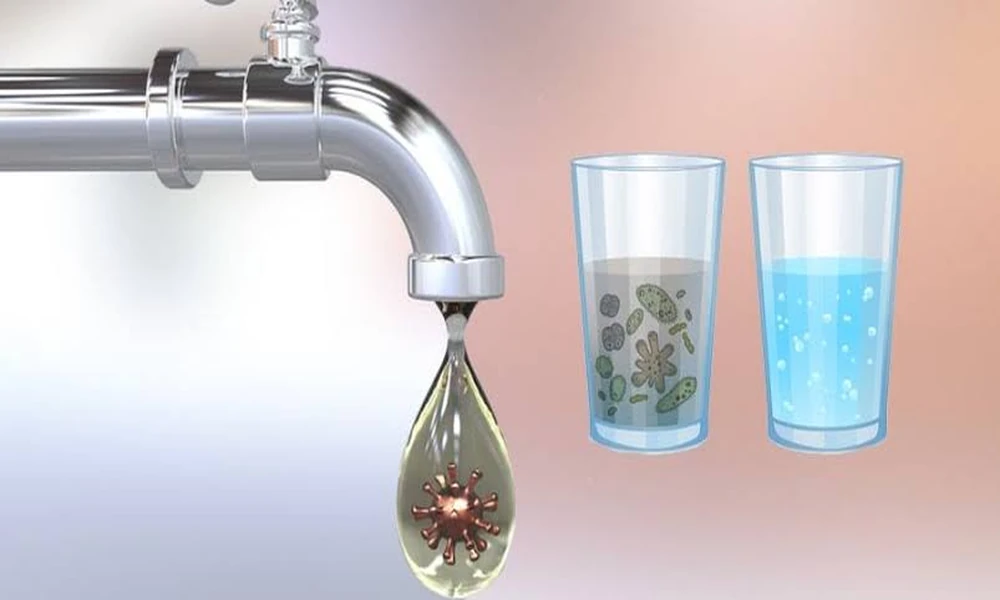
Clean water should always flow in one direction through a home’s plumbing system. When pressure changes reverse that flow, contaminated water can enter clean pipes, a problem known as backflow. It can affect drinking water, fixtures, and irrigation systems. Backflow prevention for safer systems helps stop this from happening, and regular testing ensures ongoing protection.
What Backflow Means for Your Plumbing System
Backflow occurs when water moves opposite to its intended direction. A drop in public water pressure or an increase in pressure inside the property can pull or push unwanted substances into clean supply lines.
The risk is greater wherever potable water connects with irrigation systems, outdoor faucets, appliances, pools, or other plumbing equipment. A properly selected prevention device creates a barrier between the clean supply and possible contamination sources.
Why Water Pressure Changes Cause Backflow
Pressure can change during events like a water main break, high municipal demand, firefighting, or plumbing work. Back pressure can also occur when home systems run at higher pressure than the incoming supply. These changes often happen without warning, so homeowners cannot rely on sight, taste, or smell to confirm water safety.
Even clear water may be contaminated if a cross-connection exists, making prevention more reliable than waiting for visible signs.
How a Backflow Preventer Protects Your Water
A backflow preventer allows water to flow in one direction and stops it from reversing when pressure changes, helping keep contaminated water out of the clean supply. Different plumbing systems need different types of devices, so correct installation is important. The unit must match the connection, risk level, and local requirements.
If it is the wrong size, poorly placed, or worn, it may not protect properly. Professional installation helps ensure it works as intended.
Warning Signs of a Possible Backflow Problem
Backflow issues may cause discolored water, unusual odors, low pressure, leaks around the device, or changes in taste. These signs should not be ignored. However, a device can fail without obvious symptoms, which is why backflow prevention for safer systems relies on regular testing instead of waiting for visible problems.
Testing ensures the internal parts work correctly and helps catch wear early before protection is lost.
Why Professional Backflow Testing Matters
Certified testing checks how the backflow assembly performs under controlled conditions and can identify internal issues that aren’t visible. Some properties require regular testing or recertification under local water authority rules, so homeowners should follow the required schedule.
A failed test doesn’t always mean replacement is needed-many issues can be fixed with cleaning or repair, though severe damage may require a new unit.
The Importance of Timely Repairs and Maintenance
A damaged or poorly maintained backflow preventer cannot provide reliable protection. Leaks, corrosion, worn seals, debris, or damaged valves can all affect performance. Homeowners should keep the area accessible and check occasionally for leaks or visible damage. The unit should not be covered or blocked, as it needs to remain easy to inspect and service.
Outdoor devices may also need basic protection from weather and impact, but covers must still allow space for testing and repairs.
Plumbing Changes Can Create New Backflow Risks
A property’s plumbing needs can change over time. Installing a new irrigation system, pool, appliance, outdoor faucet, or water treatment connection may introduce a new cross-connection. Remodeling or expanding the plumbing system can also affect the suitability of an existing backflow preventer. A device that once fit the system may no longer provide adequate protection after changes.
A qualified plumber should review the updated setup to confirm the device is still suitable, as fixing issues during installation is far easier than dealing with an unprotected connection later.
Why DIY Backflow Repairs Can Be Risky
Backflow preventers are safety devices, not standard plumbing parts, and must operate within precise pressure limits to protect clean water lines. DIY repairs or adjustments can leave the system unprotected, even if the device seems to be working.
If the unit leaks, fails testing, or shows damage, it should be checked by a professional to avoid bigger plumbing issues.
How Homeowners Can Support Long-Term Protection
Homeowners don’t need technical knowledge of backflow preventers, but they should know where the device is, when it was last tested, and any local testing requirements. Keep basic maintenance records with other plumbing documents to track testing, repairs, and certifications.
Arrange an inspection after major plumbing changes or if water quality seems unusual. Early action helps maintain reliable protection and avoid compliance issues.
FAQs
Can Backflow Happen When the Plumbing Appears Normal?
Yes. Pressure changes can occur without obvious household symptoms, and a prevention device may fail internally. Regular testing provides a more reliable assessment than visual checks alone.
Does Every Home Need the Same Backflow Preventer?
No. The correct assembly depends on the plumbing connection, contamination risk, property layout, and local requirements. A qualified professional should determine the appropriate device.
Can a Leaking Backflow Preventer Still Protect the Water Supply?
A leak may signal worn seals, trapped debris, pressure problems, or internal failure. The device should be inspected promptly rather than assumed to be operating correctly.
How Often Should a Backflow Device Be Tested?
Testing frequency depends on local regulations and the type of property or connection. Homeowners should follow official requirements and the recommendations of a certified tester.
Should a Failed Device Be Repaired or Replaced?
That depends on its condition. Minor wear may be repairable, while corrosion, major damage, repeated failures, or unavailable replacement parts may justify installing a new device.
Closing Thoughts
Backflow is often overlooked, but it can quickly contaminate a home’s clean water supply when pressure changes occur. Prevention, proper installation, and regular testing are essential to keep the system safe. Homeowners should know where the device is, keep it accessible, and act quickly if issues arise. Backflow prevention for safer systems is an ongoing responsibility that protects both the home and water quality.